
Written for Wessex Student Magazine. For more articles on education, visit https://www.wessexstudent.co.uk/category/education/
Starting university can be one of the most exciting yet daunting experiences of your life. With new people, a new environment, and a wealth of opportunities ahead, it’s essential to be prepared. This guide will help you navigate your first year. It will ensure you make the most of your time as a fresher.
1. Preparing for University Life
Packing Essentials

Clothing: Bring a mix of casual and formal attire. Don’t forget seasonal items like coats or summer clothes, depending on when you start.
Bedding: Check your university’s requirements for bed sizes and bring all necessary bedding (sheets, pillows, blankets).
Kitchen Supplies: If you’re self-catering, pack basic utensils, pots, pans, and non-perishable food items.
Stationery: Stock up on notebooks, pens, highlighters, and any specific supplies you might need for your course.
Financial Planning

Budgeting: Create a budget to manage your expenses. Consider rent, groceries, bills, and entertainment.
Bank Account: Open a student bank account that offers good benefits like interest-free overdrafts or discounts.
Course Preparation
Read Ahead: Familiarize yourself with your course syllabus. If any readings are recommended, try to get a head start.
Contact Classmates: Join social media groups for your course or accommodation to connect with fellow freshers before term starts.
2. Settling In
Accommodation

Personalize Your Space: Make your room feel like home with photos, decorations, and personal touches.
Respect Housemates: If you’re in shared accommodation, establish ground rules to maintain a harmonious living environment.
Orientation and Induction
Attend Welcome Events: Participate in orientation activities to learn about university resources, clubs, and services.
Explore the Campus: Familiarize yourself with key locations, such as lecture halls, libraries, and student services.
3. Socializing and Making Friends
Join Societies and Clubs

Explore Interests: Attend the freshers’ fair to discover clubs that align with your interests. These clubs range from sports to arts or cultural groups.
Be Open-Minded: Try out different societies, even if they’re outside your comfort zone. It’s a fantastic way to meet diverse people.
Build Your Social Circle
Engage with Classmates: Start conversations before or after lectures. Study groups can also be a fantastic way to bond.
Attend Social Events: Go to parties, meet-ups, and other gatherings. Don’t be afraid to step out of your comfort zone!
Online Connections
Social media: Utilize platforms like Facebook or Discord to connect with fellow students and stay updated on events.

4. Managing Academics
Time Management
Create a Schedule: Use a planner or digital calendar to track lectures, assignments, and deadlines.
Prioritize Tasks: Break assignments into smaller tasks and tackle them one at a time to avoid last-minute stress.
Study Techniques
Effective Notetaking: Experiment with different note-taking methods (Cornell, mind maps) to find what works best for you.
Utilize Resources: Take advantage of libraries, study spaces, and online resources offered by your university.
Seeking Help

Ask for Support: Don’t hesitate to approach professors, teaching assistants, or academic advisors if you need help.
Study Support Services: Many universities offer tutoring, writing centres, or study workshops.
5. Health and Well-being
Mental Health
Know Your Resources: Familiarize yourself with the mental health services available at your university.
Practice Self-Care: Be available for activities that relax and recharge you, whether it’s exercise, reading, or hobbies.
Physical Health
Stay Active: Join a gym or sports club, or simply walk or bike around campus.

Healthy Eating: Try to maintain a balanced diet. Cooking your meals can be healthier and more economical than takeout.
Work-Life Balance
Schedule Downtime: Ensure you have time for relaxation and socializing, in addition to studying.
6. Navigating Finances
Managing Expenses
Cook at Home: Preparing meals is often cheaper than eating out. Learn some easy recipes to start.
Use Student Discounts: Take advantage of student deals on transport, food, and entertainment.
Part-Time Work
Consider Employment: If you have time, look for part-time jobs that can help you manage expenses. Balance work with your studies.
7. Safety and Security
Personal Safety
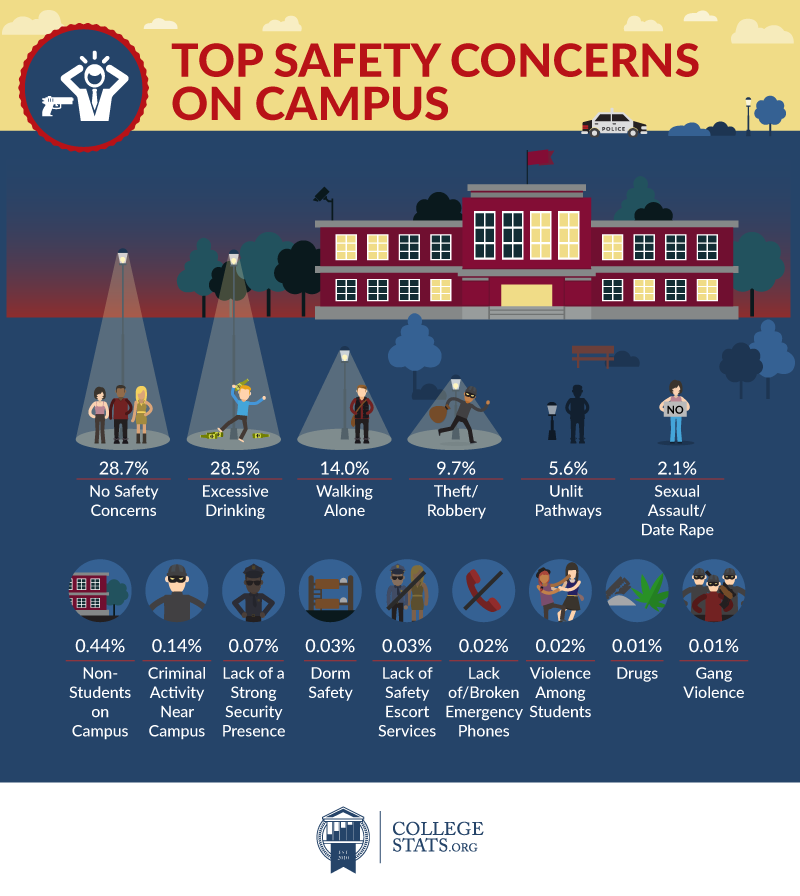
Stay Aware: Be conscious of your surroundings, especially at night. Stick to well-lit areas and walk with friends when possible.
Emergency Contacts: Keep important phone numbers handy, including local emergency services and campus security.
Online Safety
Protect Your Information: Be cautious with personal information on social media. Use strong passwords and enable two-factor authentication.
8. Embracing Opportunities
Networking
Build Relationships: Attend networking events, career fairs, and workshops to connect with potential employers and industry professionals.

LinkedIn: Create a professional profile to highlight your skills and connect with classmates and professionals.
Internships and Work Experience
Look for Opportunities: Explore internships, placements, or volunteer positions related to your field of study.
Get Involved: Participate in projects or initiatives that build your resume and skills.
9. Enjoying Your Time
Travel and Explore

Discover Your City: Take the time to explore your new surroundings. Visit local attractions, cafes, and parks.
Weekend Trips: If possible, plan weekend getaways with friends to explore nearby cities or nature.
Balance Fun and Work
Plan Social Activities: Organize regular outings with friends, whether it’s game nights, movie marathons, or clubbing.
Attend Events: Check out concerts, exhibitions, and local festivals to enrich your university experience.
Conclusion
Your first year at university is a unique journey filled with challenges and opportunities. By preparing adequately, managing your time wisely, and embracing new experiences, you can create a fulfilling and memorable year. Stay open to new friendships, seek support when needed, and most importantly, enjoy the ride! Welcome to university life!